
Working from Home with a Puppy: Tips for Success
Posted on April 16, 2022
Last updated: March 3, 2026
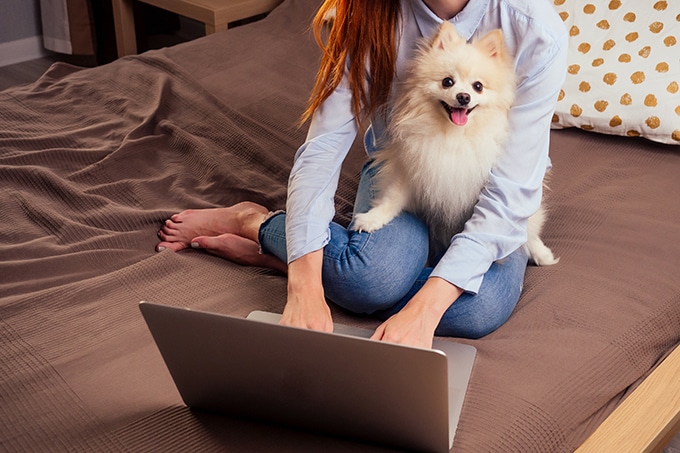
Working from home with a puppy can be both rewarding and challenging. Balancing work tasks while caring for a new furry friend requires careful planning and patience. Puppies bring joy and companionship. They also need attention, training, and a routine. The American Kennel Club says that having regular schedules helps puppies feel safe. It also reduces bad behavior.
Creating a calm environment is important for getting work done and taking care of pets. A workspace without puppy distractions can help you stay focused. Giving your puppy interactive toys and a safe space lets them play while you are busy. Having a puppy is good for your feelings. It helps reduce stress and gives you companionship. Over time, the bond with your puppy improves your work life and home life. This makes the effort worth it.
Table of Contents
- Establishing a Routine for You and Your Puppy
- Creating a Puppy-Friendly Workspace
- Managing Your Puppy’s Exercise and Play Needs
- Training Techniques for Puppies While Working from Home
- Utilizing Toys and Mental Stimulation
- Breed-Specific Challenges and Solutions
- Long-term Impacts of Working from Home with a Puppy
- Emotional Aspects of Working from Home with a Puppy
- Frequently Asked Questions
- Is it okay if I leave my dog home alone for 8 hours and 5 days a week?
- How can I balance work and puppy care effectively?
- What are the best toys to keep my puppy occupied while I work?
- How do I train my puppy to be calm during work hours?
- What are the signs that my puppy needs more attention while I work?
- Creating a Harmonious Work-Life Balance with Your Puppy
Establishing a Routine for You and Your Puppy
A set schedule helps both your work and your puppy adjust to home life. Consistency helps your puppy learn when to expect playtime, meals, and bathroom breaks. It also allows you to focus on work tasks without constant interruptions.
Start by aligning your puppy’s needs with your work breaks. For example, take your puppy out for a bathroom break before starting a work session. This reduces the chances of accidents and helps establish a routine. PetMD says that regular playtime is important for a puppy’s growth and health. Schedule these playtimes during your lunch break or after work.
To balance work and puppy care, create a daily schedule that includes feeding times, walks, and play sessions. This schedule will help you manage your time effectively. It also makes sure your puppy gets the attention they need. This helps stop boredom and bad behavior. A PetMD article points out that boredom can cause negative behaviors.
Use interactive toys and puzzles to keep your puppy busy while you work. This helps their mind and lets you focus on your tasks without distractions. By integrating these elements into your day, you can create a harmonious routine. This routine helps both your work and your puppy’s needs, creating a peaceful home.
Creating a Puppy-Friendly Workspace
Making a puppy-friendly workspace means balancing your needs with your puppy’s safety and comfort. A special space for work and puppy play can reduce distractions and create a calm place. When you set up your workspace, think about your work and your puppy’s safety.
To start, designate specific areas for work and play. A separate area for your puppy’s bed and toys can help them feel secure and entertained. According to the American Kennel Club, having a play area can lower a puppy’s anxiety. This makes your work time more productive.
Safety is key when creating a puppy-friendly workspace. Ensure that wires and cords are out of reach to prevent chewing hazards. Also, keep small objects that could be swallowed away from your puppy. A puppy gate can be useful to keep them contained in a safe area while you focus on work tasks.
Adding things that keep your puppy busy is very important. Interactive toys and chew items can help your puppy think and stay busy. These toys help in reducing boredom and prevent your puppy from feeling neglected while you work. By keeping your puppy engaged, you can maintain focus on your tasks.
Setting up a puppy-friendly workspace helps your work and keeps your puppy comfortable and safe. This careful setup can create a good work environment and help your puppy feel good.
Managing Your Puppy’s Exercise and Play Needs
Regular exercise is vital for your puppy’s health and behavior. It helps stop unwanted behaviors like too much barking or chewing. According to joiipetcare.com, a general rule is 5 minutes of exercise per month of age, twice daily. For example, a 2-month-old puppy needs 10 minutes of exercise two times a day. A 6-month-old puppy needs 30 minutes.
Structured play is just as important. Short training sessions of five to ten minutes can keep your puppy engaged without overwhelming them, according to petmate.com. During work hours, incorporate activities like a 20-minute walk or 15 minutes of fetch, as brawleyanimal.com suggests.
But how do you know if your puppy needs more attention? Signs include restlessness, excessive barking, or trying to get your attention in other ways. According to joiipetcare.com, an overtired puppy may show frantic behavior, nipping, or have trouble settling down.
Balancing your work schedule with your puppy’s needs is crucial for a harmonious home.
Training Techniques for Puppies While Working from Home
Short, focused training sessions are key when working from home with a puppy. Puppies have short attention spans, so training sessions should last just five to ten minutes. This method helps them focus and learn better.
To encourage calm behavior during work hours, set up routines that include quiet time. According to petmate.com, consistent daily routines help puppies feel secure and can minimize anxiety. During work hours, consider training your puppy to relax on a designated mat or bed. Reward them with treats when they stay calm in their spot.
A common concern is how to train your puppy to be calm while you’re working. Using a combination of commands like “stay” and “quiet” can be effective. Reinforce these commands with positive reinforcement, such as treats or petting. It’s also helpful to tire your puppy out with a short play session before starting work. This can make them more likely to settle down.
Utilizing interactive toys is another strategy to keep your puppy engaged. These toys provide mental stimulation, which can reduce boredom and restlessness. Incorporating these techniques can result in a happier, more relaxed puppy, making it easier to manage your work-from-home responsibilities.
A visual guide or online resource can further assist in applying these training methods.
Utilizing Toys and Mental Stimulation
Interactive toys are essential for keeping your puppy entertained and mentally stimulated while you work from home. These toys challenge puppies to think, sniff, and solve problems, reducing boredom and destructive behaviors. According to chelsystoys.com, such toys engage puppies physically and mentally, making them a must-have for any work-from-home setup.
One excellent choice is the Enrichment Tube, which encourages natural foraging behavior by requiring dogs to work for their treats or kibble. This not only keeps them busy but also satisfies their instinctual needs. The global market for interactive dog toys is booming, with marketreportanalytics.com projecting it will reach about $2500 million by 2025. This growth highlights the increasing demand for effective mental stimulation solutions for pets.
For those wondering about the best toys to keep a puppy occupied while working, subscription boxes like PupBox offer a convenient option. Each box includes five to seven items, such as toys and treats, tailored to your puppy’s needs. While PupBox costs a bit more than BarkBox, the variety and quality of items ensure your puppy remains engaged.
By incorporating these toys into your routine, you can focus on your tasks while your puppy stays entertained and happy.
Breed-Specific Challenges and Solutions
Different dog breeds come with unique challenges when working from home with a puppy. Understanding these breed-specific behaviors is crucial for creating a productive and harmonious work environment. According to a Chapman study, behavioral traits rather than physical traits often drive a breed’s performance.
For example, high-energy breeds like Border Collies require frequent physical activity to avoid restlessness. Short, structured play sessions throughout the workday can help manage their energy. In contrast, breeds like Bulldogs may need less exercise but benefit from mental stimulation to prevent boredom.
Brachycephalic breeds such as Pugs and Bulldogs face respiratory challenges due to their shortened snouts. This requires careful monitoring during playtime and avoiding over-exertion. Providing plenty of breaks and access to fresh water can prevent overheating.
For working breeds like German Shepherds, training and tasks are essential. Engaging them in simple tasks or commands during breaks can channel their intelligence and desire to work. This also strengthens your bond and keeps their minds active.
To delve deeper into breed-specific strategies, the Working Dog Breeds Study by Harvard explores how selective breeding and training affect working dog breeds. This research offers insights into tailoring activities and environments to suit different breeds for optimal well-being.
By understanding and addressing these specific needs, you can create a tailored approach that benefits both you and your puppy, ensuring a productive and enjoyable work-from-home experience.
Long-term Impacts of Working from Home with a Puppy
Working from home with a puppy can have significant long-term effects on both the owner and the puppy. Over time, the bond between you and your puppy can strengthen, enhancing your overall well-being. According to mitel.com, 93% of respondents in a Rover poll reported improved physical and mental well-being due to their pets.
For your puppy, growing up in a home office environment can impact its development and behavior. Puppies thrive on routine and attention, which are more easily provided if you’re home all day. Establishing a consistent schedule with regular exercise and training sessions helps puppies develop good habits and reduces the likelihood of destructive behaviors.
There are potential downsides, though. A puppy accustomed to constant companionship may develop separation anxiety when left alone. To mitigate this, gradually introduce periods of solitude to help your puppy adjust to being alone.
In the broader context, the presence of pets in the workplace has been systematically reviewed. Findings indicate that pet-friendly policies can improve morale and reduce stress among employees. You can explore more about these impacts in the systematic review on pets in the workplace.
Overall, working from home with a puppy can enrich your life and positively shape your puppy’s behavior. By balancing attention and independence, you can foster a healthy, long-term relationship with your furry friend.
Emotional Aspects of Working from Home with a Puppy
Working from home with a puppy can significantly enhance emotional well-being by reducing stress and providing companionship. According to heart.org, 80% of people in a survey said their pets made remote work more enjoyable. This companionship can transform stress into serenity and loneliness into companionship, as animedanimalhospital.com notes.
However, there are challenges. Balancing work responsibilities with a puppy’s needs can be stressful. Managing to maintain a work-life balance is crucial. Puppies require attention and care, which can interrupt work tasks and increase stress levels. According to betterhelp.com, the emotional support from pets provides a sense of security and comfort, which can help reduce anxiety and depression.
On the positive side, interacting with a puppy can decrease stress hormones like cortisol and boost happiness-related chemicals such as serotonin and oxytocin. As animedanimalhospital.com explains, these chemical changes lead to relaxation and improved mood. Furthermore, a study found that exposure to pets significantly reduces stress and anxiety, enhancing overall quality of life for remote workers (betterhelp.com).
Overall, while working from home with a puppy presents challenges, the emotional benefits can make it a rewarding experience.
Frequently Asked Questions
Working from home with a puppy brings unique challenges that many pet owners face. From managing your puppy’s energy levels to ensuring they have enough mental stimulation, these answers aim to provide practical solutions.
Many new puppy owners wonder how to balance work and puppy care effectively. Understanding your puppy’s developmental needs is key to creating a harmonious environment. Puppies require consistent routines and boundaries to thrive. By answering these frequently asked questions, we hope to make your work-from-home journey with a puppy smoother and more enjoyable.
Each response is informed by credible sources and experience, ensuring you receive reliable advice. explore these FAQs to find answers that will help both you and your puppy adjust to this new lifestyle.
Is it okay if I leave my dog home alone for 8 hours and 5 days a week?
Leaving a dog home alone for 8 hours, 5 days a week, is not ideal, especially for puppies. According to the American Kennel Club, puppies need frequent interaction and supervision to develop healthily. Long periods alone can lead to separation anxiety and behavioral issues like destructive chewing. If you must be away, consider hiring a dog walker or using a daycare service. These options provide socialization and activity, preventing boredom and stress. Regular breaks during your work-from-home schedule can also help your puppy adjust better to short absences.
How can I balance work and puppy care effectively?
To balance work and puppy care effectively, create a structured routine that accommodates both your work schedule and your puppy’s needs. According to the American Kennel Club, puppies benefit from consistent feeding, play, and rest times. Use interactive toys, like the Enrichment Tube, to keep your puppy entertained while you focus on work tasks. Regular breaks for brief playtime or short walks can also help manage your puppy’s energy levels and reduce stress for you. Balancing work and care requires planning, but it strengthens your bond with your pet and improves your overall productivity.
What are the best toys to keep my puppy occupied while I work?
Interactive toys like the Enrichment Tube and subscription boxes such as PupBox are excellent for keeping puppies engaged while you work. The Enrichment Tube promotes natural foraging behavior, which helps in mental stimulation. PupBox offers a variety of toys and treats tailored to your puppy’s needs, ensuring they remain occupied. According to PetMD, providing mentally stimulating toys can significantly reduce destructive behaviors in puppies. These toys help maintain a balance between your work responsibilities and your puppy’s need for activity, making remote work more manageable.
How do I train my puppy to be calm during work hours?
Training your puppy to be calm during work hours requires a mix of routine and mental stimulation. Establish a consistent schedule for feeding, play, and rest to help your puppy understand when it’s time to settle down. According to the American Kennel Club, a set routine makes puppies feel more secure and minimizes anxiety. Additionally, introducing interactive toys can keep your puppy entertained and reduce restlessness. The Enrichment Tube, for example, encourages natural foraging behavior, providing mental engagement while you work. Remember, a tired puppy is often a calm puppy, so regular exercise is key.
What are the signs that my puppy needs more attention while I work?
If your puppy is distracting you with destructive behaviors, it likely needs more attention. Signs like chewing on furniture, excessive barking, or frequent accidents can indicate your puppy is bored or anxious. According to the American Kennel Club, puppies need consistent playtime and interaction to stay happy and healthy. Providing chew toys and engaging them in short training sessions can help. Puppies, especially those under six months, have limited attention spans and need frequent breaks to expend energy and reduce stress.
Creating a Harmonious Work-Life Balance with Your Puppy
Balancing work and puppy care at home requires patience and adaptability. By establishing routines and creating a puppy-friendly workspace, you can foster a harmonious environment. According to the American Kennel Club, consistent schedules make puppies feel secure, reducing the likelihood of stress-induced behaviors.
Embrace the joys and challenges of working from home with your puppy. Puppies bring companionship and joy, which can enhance your work experience. They also require time and attention, which may interrupt your work flow. However, these interactions can provide much-needed breaks that boost your productivity.
Equip your workspace with interactive toys to keep your puppy engaged while you focus on tasks. Toys that encourage mental stimulation, like the Enrichment Tube, can prevent boredom and destructive behavior. Regular exercise and play are also crucial. According to joiipetcare.com, puppies need about 5 minutes of exercise per month of age, twice daily.
Ultimately, the journey of working from home with a puppy is a rewarding one. By balancing your work responsibilities with your puppy’s needs, you can create a fulfilling and enjoyable work-from-home experience.